Comprehending the Diverse Roles of Sugar Cane in Farming and Manufacturing
Sugar Cane plays a crucial function in both farming and production. As a major cash crop, it impacts economic climates in exotic areas. Its versatility extends beyond sugar production to biofuels and biodegradable products. In addition, sugar Cane farming promotes soil health and wellness and biodiversity. The complete range of its contributions and prospective in sustainable techniques stays to be checked out. What ingenious procedures could improve its role in future agricultural systems?
The Agricultural Importance of Sugar Cane
Sugar Cane plays a vital role in agriculture, adding substantially to the economic situations of lots of tropical and subtropical regions. This grass types prospers in warm climates, calling for adequate sunlight and water, making it an optimal crop for these locations. Sugar Cane is largely cultivated for its high sucrose content, which acts as a critical raw material for sugar production. In addition, it plays a considerable role in dirt conservation by avoiding erosion and improving soil fertility through its development cycles. Sugar walking stick's extensive origin system aids in water retention, profiting surrounding plants. The crop supports regional ecosystems by supplying habitat and food for various wild animals types. Farmers frequently incorporate sugar Cane into crop turning systems, improving biodiversity and farming strength. The farming of sugar Cane not only satisfies local food demands yet also promotes lasting agricultural techniques, promoting long-lasting ecological health in farming neighborhoods.
Financial Contributions of Sugar Cane Growing
Although sugar Cane is typically forgotten, its economic contributions are considerable, specifically in developing countries where it acts as an important money plant. The cultivation of sugar Cane produces considerable revenue for numerous farmers, providing incomes and promoting country growth. As a functional plant, it sustains numerous industries, consisting of sugar production, biofuels, and pharmaceuticals, consequently stimulating regional economic climates.
Sugar Cane growing promotes job creation in agricultural fields, refining facilities, and transportation networks. It likewise adds to fx incomes with exports, improving national economic security. In areas such as Brazil and India, sugar Cane plays a crucial duty in farming exports, boosting trade equilibriums.
In addition, the plant's byproducts, like bagasse and molasses, supply more financial chances, used in energy generation and animal feed. Thus, the economic effect of sugar Cane expands past mere farming, influencing more comprehensive industrial and agricultural landscapes.
The Process of Sugar Production From Walking Cane

The trip from sugar Cane to refined sugar includes several vital stages that highlight the intricacy of sugar production. Mature sugar Cane stalks are gathered and carried to refining centers. What Is Sugar Cane Used For. The Cane is then crushed to remove juice, which contains a high focus of sucrose. This juice undergoes explanation, where impurities are eliminated, commonly utilizing lime and heat
Next, the cleared up juice is vaporized to concentrate the sugar web content. The resulting syrup is then subjected to formation, allowing sugar crystals to develop. These crystals are divided from the remaining syrup with centrifugation and cleaned to get rid of any recurring molasses.
The last involves refining, where sugar crystals are additional detoxified and bleached, leading to the white granulated sugar typically made use of in foodstuff. This precise procedure emphasizes the intricate trip from raw Cane to the sugar that plays a necessary duty in various culinary applications.
Sugar Cane as a Source of Biofuels
As rate of interest in sustainable power resources expands, sugar Cane has become a considerable candidate for biofuel production. The plant's high sugar material allows effective fermentation procedures, transforming sugars right into ethanol. This biofuel offers as an eco-friendly option to fossil gas, lowering greenhouse gas exhausts and advertising energy sustainability.
Nations like Brazil have actually lengthy made use of sugar Cane for ethanol, developing comprehensive manufacturing infrastructure that sustains both residential energy requirements and global export. The cultivation of sugar Cane for biofuel has actually likewise developed financial possibilities, specifically in country locations, where it produces work and supports regional agriculture.
Furthermore, sugar Cane biofuels can be integrated right into existing fuel systems, making them a useful service for shifting away from standard power resources. As technological advancements proceed to boost manufacturing efficiency, sugar cane's role in biofuel growth is positioned to broaden, even more adding to worldwide efforts towards sustainable energy fostering.
Ingenious Uses of Sugar Cane in Biodegradable Plastics
An expanding number of suppliers and researchers are discovering ingenious usages of sugar Cane in the manufacturing of naturally degradable plastics. Sugar cane, abundant in sucrose, can be processed to create polylactic acid (PLA), a biopolymer that functions as a choice to petroleum-based plastics. This you could try here bioplastic can be used in different applications, including product packaging, non reusable flatware, and farming films.
The use of sugar cane-derived PLA provides a number of advantages, such as reduced reliance on fossil gas and the potential for lower carbon emissions during manufacturing. In addition, sugar walking stick's sustainable nature makes it an enticing choice in the pursuit for lasting materials. Recent innovations in processing techniques have enhanced the performance and cost-effectiveness of producing these bioplastics, promoting better fostering in the marketplace. As the need for eco-friendly solutions expands, sugar Cane sticks out as a valuable source in the change towards greener manufacturing techniques.
Ecological Advantages of Sugar Cane Farming
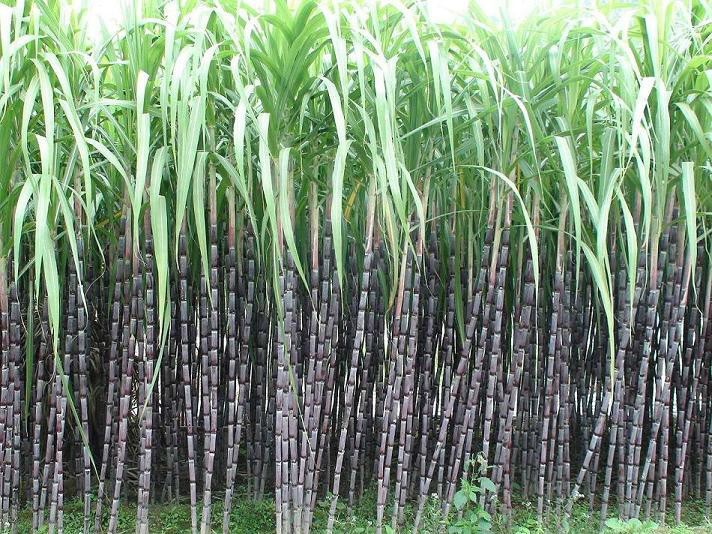
Additionally, sugar Cane needs much less water compared to various other crops, making it suitable for growing in arid areas. Efficient use of plant residues, such as bagasse, can decrease waste and supply renewable power sources. Sugar Cane farming can facilitate the establishment of agroforestry systems, developing a synergistic partnership between trees and crops. These methods not just safeguard the atmosphere but likewise advertise sustainable farming techniques, eventually benefiting regional areas and communities.
The Future of Sugar Cane in Lasting Practices
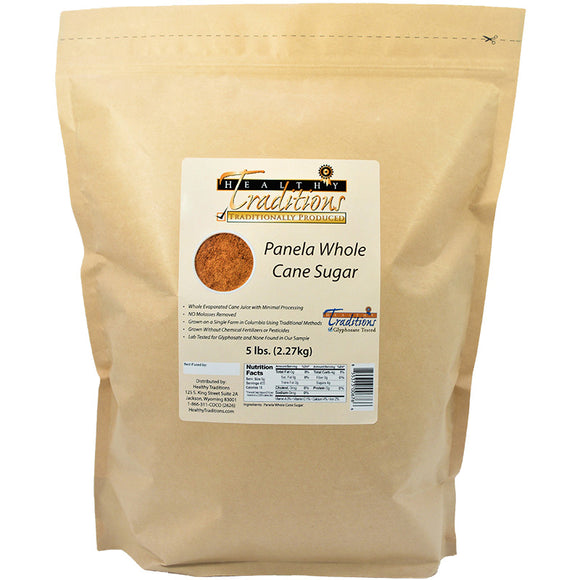
Furthermore, the capacity for sugar Cane to contribute to renewable resource sources is acquiring traction. Biofuels derived from sugar Cane can notably lower carbon exhausts contrasted to nonrenewable fuel sources, lining up with global climate objectives. In pop over to this site addition, innovations in waste monitoring enable the usage of by-products, further minimizing ecological effect.
Research study into drought-resistant sugar Cane ranges is likewise underway, providing resilience versus environment change. As stakeholders throughout the sector welcome these sustainable practices, sugar Cane is positioned to play a crucial function in promoting farming sustainability, ensuring its relevance in future markets and adding positively to eco-friendly equilibrium.

Regularly Asked Questions
Exactly How Does Sugar Cane Affect Dirt Health and Fertility?
The influence of sugar Cane on soil health and fertility is substantial. Its comprehensive origin system enhances dirt framework, while raw material from decaying fallen leaves adds necessary nutrients, promoting general fertility and sustaining varied microbial life.
What Are the Labor Conditions for Sugar Cane Workers?
Labor problems for sugar Cane employees differ widely, often defined by long hours, low earnings, and dangerous atmospheres. Several face obstacles such as lack of access to health care and not enough protective steps against unsafe problems.
Can Sugar Cane Be Grown in Non-Tropical Climates?
Sugar Cane normally grows in exotic climates as a result of its heat and humidity demands. Nonetheless, particular non-tropical areas might efficiently cultivate it via details farming techniques, though yields and quality may be considerably lowered.
What Pests Typically Threaten Sugar Cane Crops?
Pests threatening sugar Cane plants consist of the sugarcane borer, aphids, and nematodes. These microorganisms can greatly impact plant return, necessitating reliable pest monitoring approaches to assure healthy and balanced growth and make the most of agricultural productivity.
How Does Sugar Cane Farming Influence Resident Communities?
The cultivation of sugar Cane substantially influences regional neighborhoods by offering job opportunity, promoting economic development, and influencing social frameworks. In addition, More Help it can cause environmental obstacles, impacting agricultural techniques and neighborhood wellness in the area.
Sugar Cane is mainly grown for its high sucrose material, which serves as an essential raw product for sugar production. Farmers frequently incorporate sugar Cane into plant rotation systems, boosting biodiversity and agricultural resilience. The journey from sugar Cane to polished sugar involves a number of crucial stages that highlight the intricacy of sugar production. The final phase includes refining, where sugar crystals are further detoxified and bleached, resulting in the white granulated sugar generally utilized in food items. The plant's high sugar content makes it possible for effective fermentation procedures, converting sugars right into ethanol.
Comments on “How Global Cooks Showcase What Is Sugar Cane Used For”